Connect with us

school

What Was Going On With Teachers in Richmond?

Published

on

Teachers said they weren’t getting paid enough, especially since living in the Bay Area is really expensive. They also wanted better health benefits, smaller class sizes, and more staff to help students. Many teachers feel stressed and overworked, and they wanted the district to listen.

During the strike, teachers stood outside schools and protested. Some schools were closed, and students had to stay home. Parents and students showed support by honking, showing up to rallies, or posting online.

After a few days, the teachers and the district reached an agreement. Teachers are getting an 8% raise over two years and better health benefits. Once the deal was made, teachers went back to work.

This matters to students because when teachers are treated better, schools run better. The strike showed that teachers are standing up for themselves and trying to make schools better for students too.

Recently in Richmond, California, teachers in the West Contra Costa Unified School District went on strike. This was a big deal because it was the first time something like this happened in a long time. Teachers stopped working for a few days to speak up about issues at their schools.

Teachers said they weren’t getting paid enough, especially since living in the Bay Area is really expensive. They also wanted better health benefits, smaller class sizes, and more staff to help students. Many teachers feel stressed and overworked, and they wanted the district to listen.

During the strike, teachers stood outside schools and protested. Some schools were closed, and students had to stay home. Parents and students showed support by honking, showing up to rallies, or posting online.

After a few days, the teachers and the district reached an agreement. Teachers are getting an 8% raise over two years and better health benefits. Once the deal was made, teachers went back to work.

This matters to students because when teachers are treated better, schools run better. The strike showed that teachers are standing up for themselves and trying to make schools better for students too.

Diego Cervantes

Continue Reading
Click to comment

Leave a Reply

Your email address will not be published. Required fields are marked *

History

The Origin Of Pittsburg High School

Published

on

Born from the smoke of the 19th century coal mines, Pittsburg High is a testament of strength and resilience. From starting due to industrialization and creating independence in 1925, it is now the school we know and love through the hard work of the families, immigrants, and students of Pittsburg.

A city that used to go by New York of the Pacific, later took on New York Landing, and then Black diamond after the coal mining company that drove the local economy. Pittsburg was finally named for good to honor Pittsburgh Pennsylvania in 1911, and was driven by the Columbia Geneva Steel company in 1906.

The Board of Trustees of the Riverview Union High school district officially established a branch High school in Pittsburg on June 30, 1922. And in 1925, Pittsburg High school became independent and withdrew from the district, which paved the way for our school now.

In the early 1900’s, less than one in ten people in the U.S graduated from High school. The school now holds more than 3,000+ students with a 90% graduation rate. And when you walk into the building, you’ll see students from all kinds of backgrounds, cultures, and upbringings. The school today celebrates its diversity as one of the schools “greatest assets”, and has come a long way from its origins.

Continue Reading

Campus Events

AVID And Puente’s First Got Talent Show

Published

on

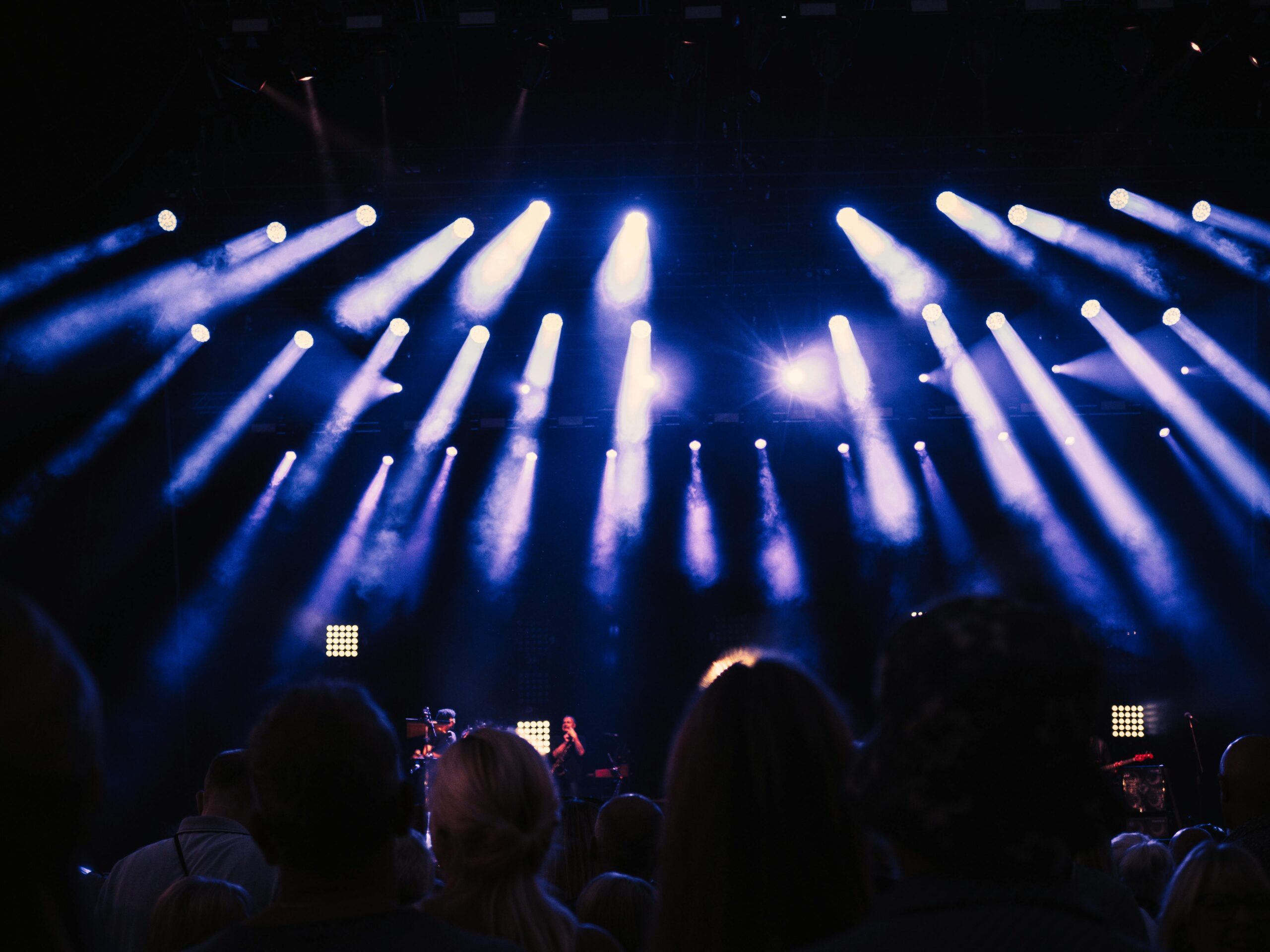
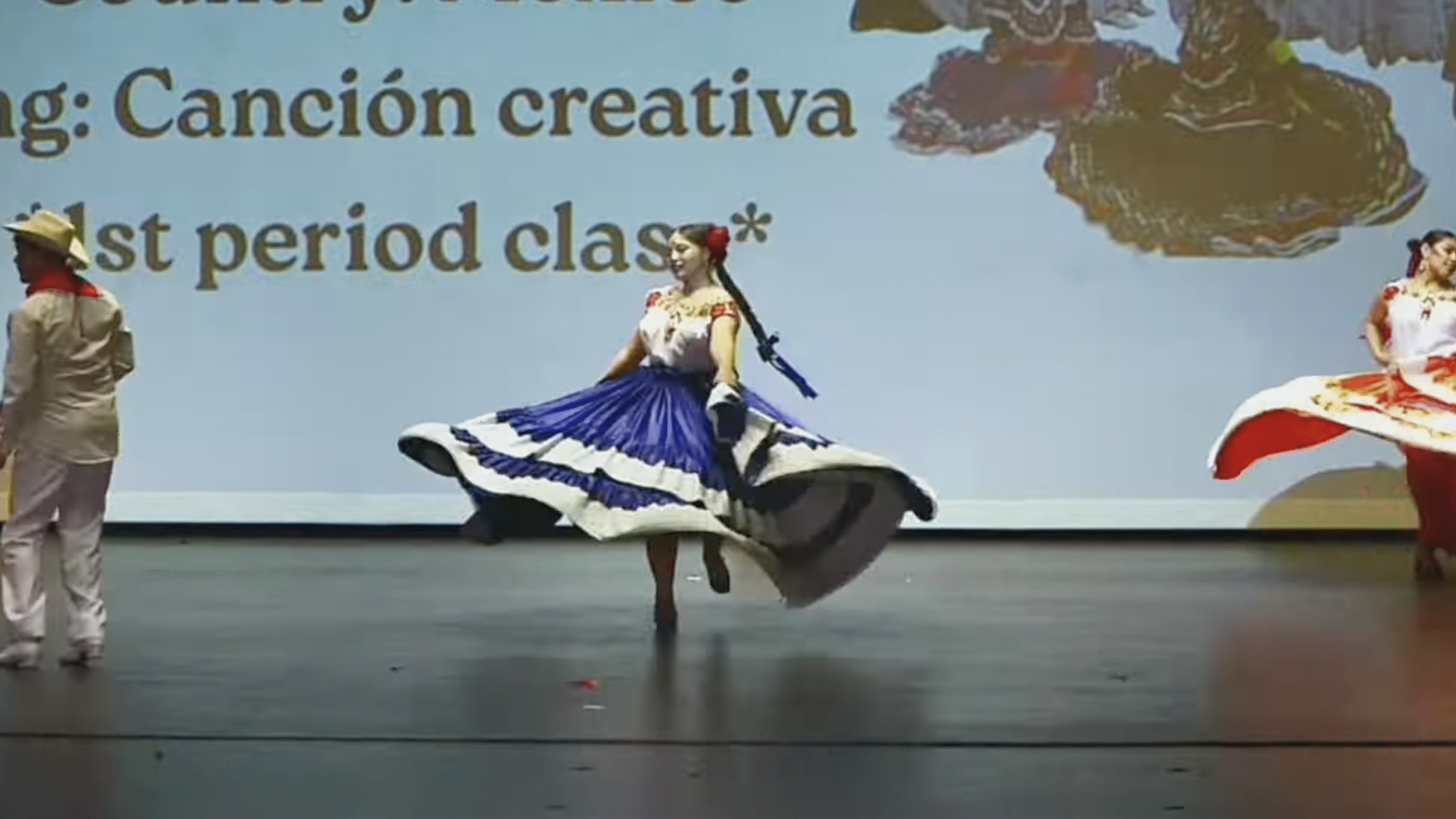
On March 18, AVID and Puetne had their very first talent show on campus in the auditorium, and the place buzzed with excitement and anxiety alike. The show started after the first period, and it continued on before it ended in fourth.

In the event, there were many performances that celebrated AVID and Puente’s pride, and the audience amplified that festive vibe with their engaging cheers. It was a rare occurrence, where no matter who you were, you joined in with a smile and sang along. It was a sight that would be a memorable one for both performer and audience.

The performances were a mix of heartfelt poetry, singing, dancing groups, and people showing off their skills on their instruments. Each one was celebratory and lively. Even when the person on stage was shaking in their boots, the courage the performers illustrated was remarkable. All things considered, the event was a fun one to be in and hopefully we have another one in the years to come.

Continue Reading

Research

Why Being Lazy Is The New Norm

Published

on

If you look around a room, you’ll notice how people today prefer small rewards now rather than big rewards later. For example, many choose to scroll instead of work or push off deadlines in class. This shows how instant gratification is affecting our brains. It makes it hard to work towards difficult tasks and to have perseverance. Scrolling through apps like TikTok gives you that instant feeling of dopamine because it’s easy, while studying for a test is boring and gives you a result later. Brains that are used to this will avoid the challenging stuff on purpose.

The infamous Stanford marshmallow experiment by Walter Mischel proved this idea clearly. In the experiment, children were given the option of getting a marshmallow immediately or wait and receiving two later. Many children didn’t wait, illustrating the lack of desire for delayed gratification.

The brain also builds patterns based on repetition. If you repeat a thought process or habit, the more automatic it becomes. This is why it can be hard to get your brain to work with you after you’re used to putting off important things.

People also tend to procrastinate not because they’re lazy, but because they want to avoid negative emotions. Research by Timothy A. Pychyl shows that tasks are often delayed when they feel stressful, boring, or overwhelming. Instead of completing the task, people usually choose to do things that give instant comfort. This means procrastination is more about managing emotions than managing time.

Additionally, there is something called the intention-Action Gap. It’s when people know what they should be doing, but their actions don’t match up with their intentions. This is because the brain doesn’t prioritize long-term responsibility over comfort.

In conclusion, the reason for the lack of perseverance is due to the growing desire for instant gratification, development of strong brain patterns, a focus on emotions, and the tendency to prioritize comfort over long-term goals.

Continue Reading

Trending