
Tech
Teachers Say AI Can Help Students Study Smarter







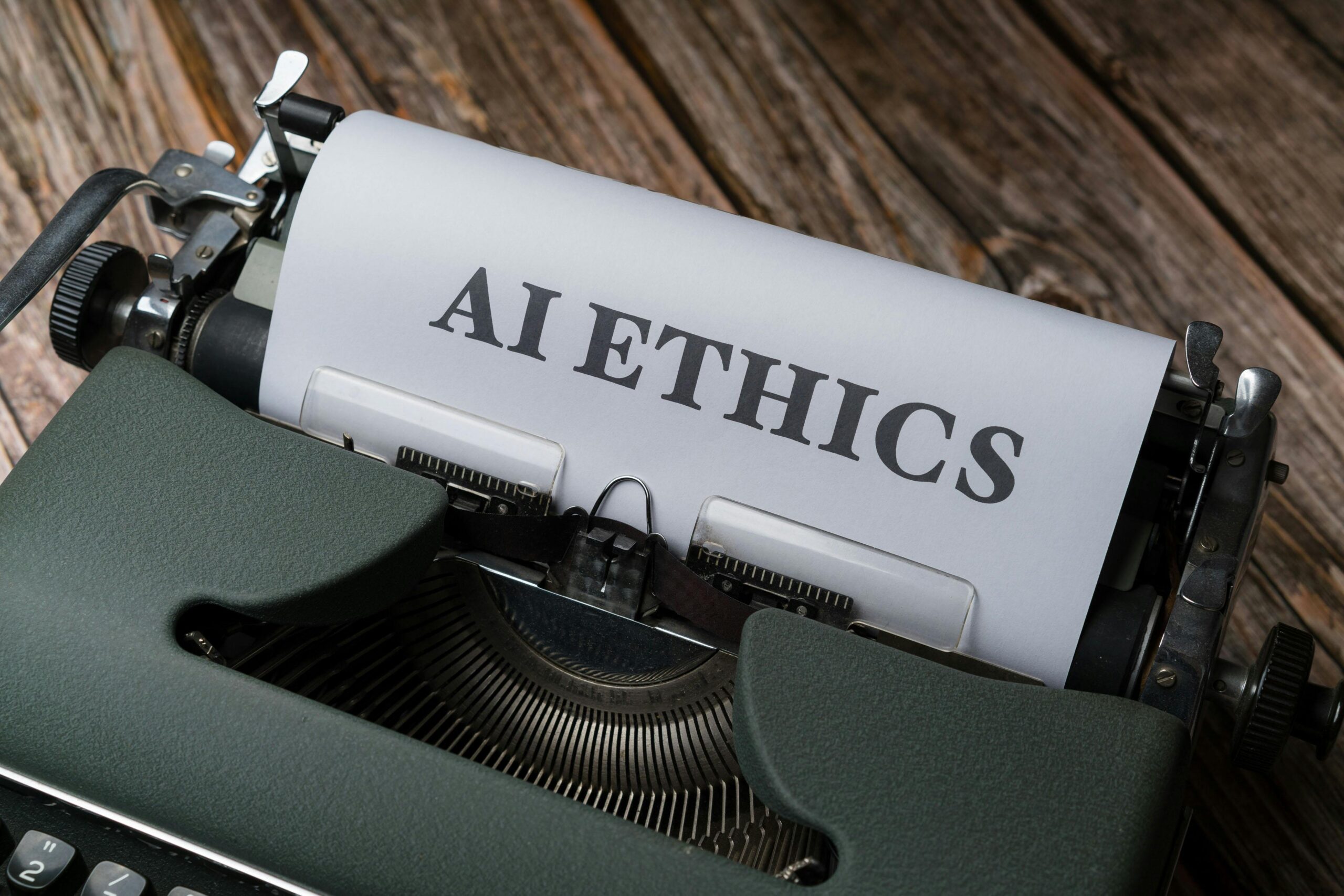

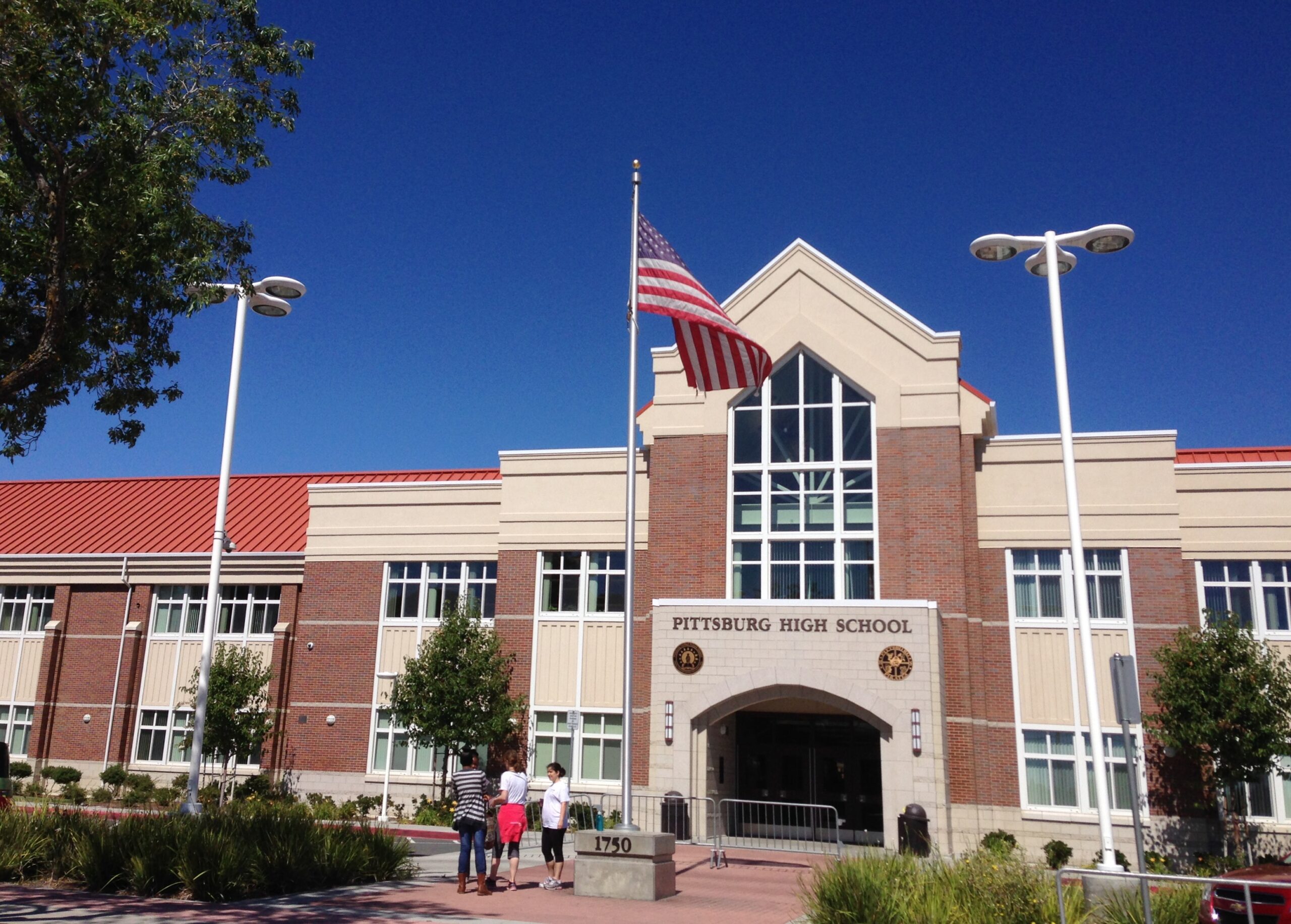
If you walk around Pittsburg High School after classes end, you’ll notice something that wasn’t as common a couple years ago which is that almost everyone is studying with some kind of tech. Chromebooks are open everywhere, we have classrooms with mac books and more advanced technology such as drones to record our football games, people are using apps instead of doing their own work, and AI tools are basically the new “study buddy” for a lot of students. It feels like technology isn’t just part of school anymore, it’s becoming the way we learn. One of the biggest things students use now is ChatGpt, Gauth, and AI study tools and it’s not even just about cheating like some people and teachers assume. A lot of us use it to get help when the teacher isn’t around, being helpful or just simply when the notes aren’t making sense. Senior Nikita M. told me, “It helps me break down lessons when I’m confused, especially in stats but I still make sure I learn it myself. AI just explains things in a way that makes sense.” Honestly, a lot of students feel the same way as her.
Teachers have started talking more about how to use these tools in a helpful way instead of a lazy way. One of my teachers told me, “Technology isn’t going away, so we want students to use it the right way, when they use AI to study smarter, it actually boosts confidence and independence.” I genuinely do believe that it’s true when you understand something better, you feel way less stressed about it and sometimes teachers just don’t help us the way we really need. Even besides AI, students and teachers depend on apps like Google Classroom, Quizlet, Kahoot, and even their phone calendars to keep track of assignments. It helps a lot, especially when everything hits at once like for us homework, sports, family stuff, and whatever else we have going on. For teachers having to make lesson plans, grade assignments, their own family issues, technology just helps make things easier for both sides. Having everything in one place makes staying organized a little easier.
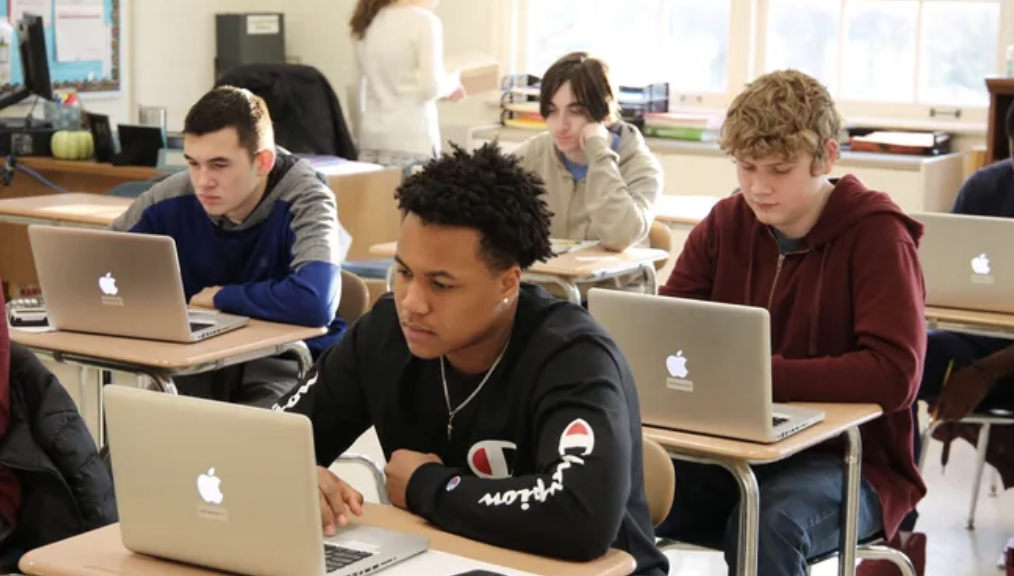
There are downsides, though. Some students say using tech makes them more distracted because one second they’re studying, and the next second they’re on TikTok or scrolling through Instagram reels without even realizing it. Others miss writing things down because they remember it better on paper or simply just because they prefer paper work over online work. Of course most people agree tech has made school more manageable, especially when things get confusing or overwhelming.
What makes PHS different is that the school doesn’t fight against technology completely and our admin actually works with it. Teachers are learning new tools, students are finding their own ways to use them, and the whole campus feels more updated because of it because we are lucky enough to have high end technology in classes or have classes like broadcasting journalism, digital recording, digital photo and many other classes. Whether you’re studying for a quiz, finishing homework, or doing a group project, there’s a digital for pretty much everything

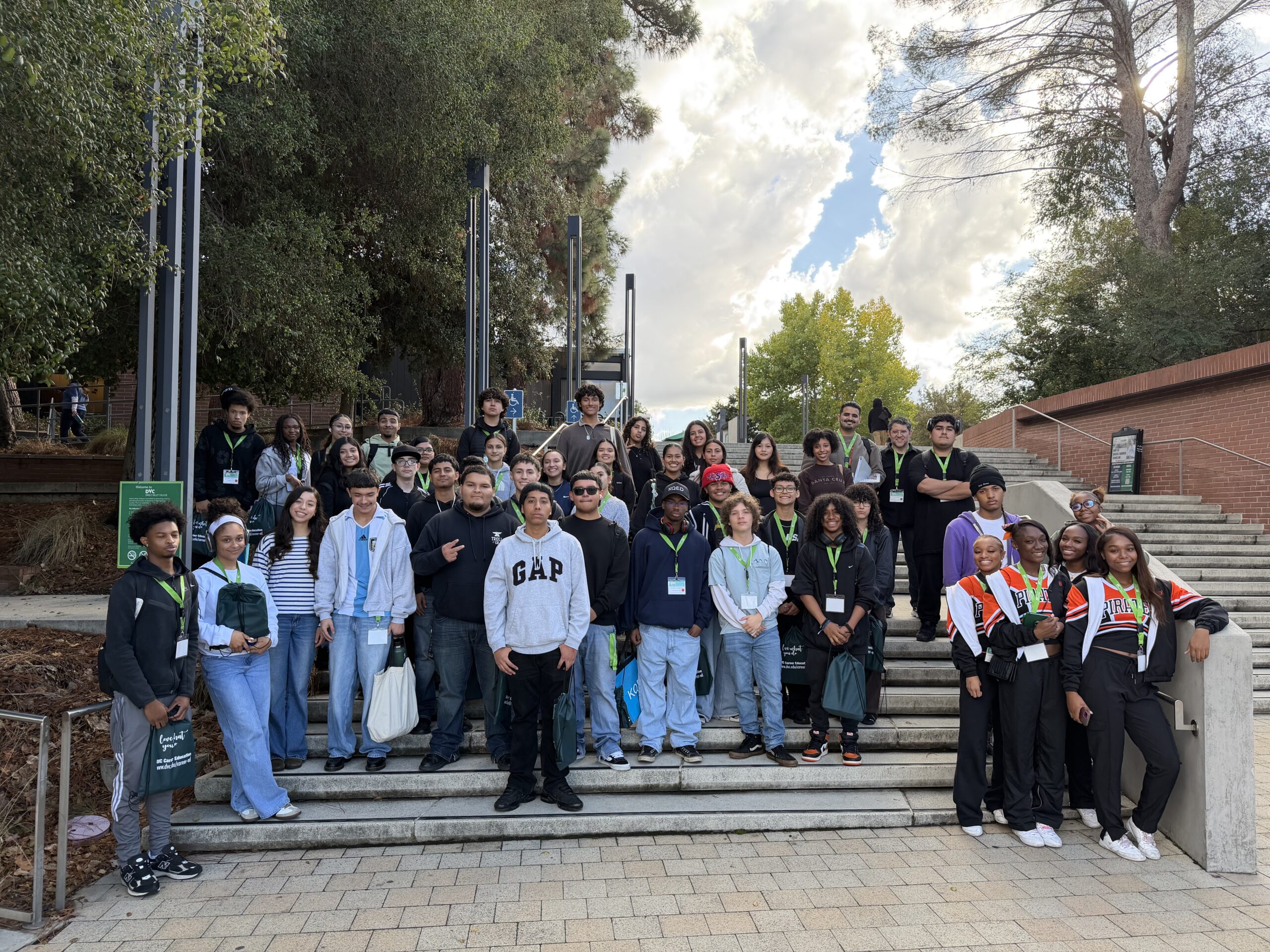
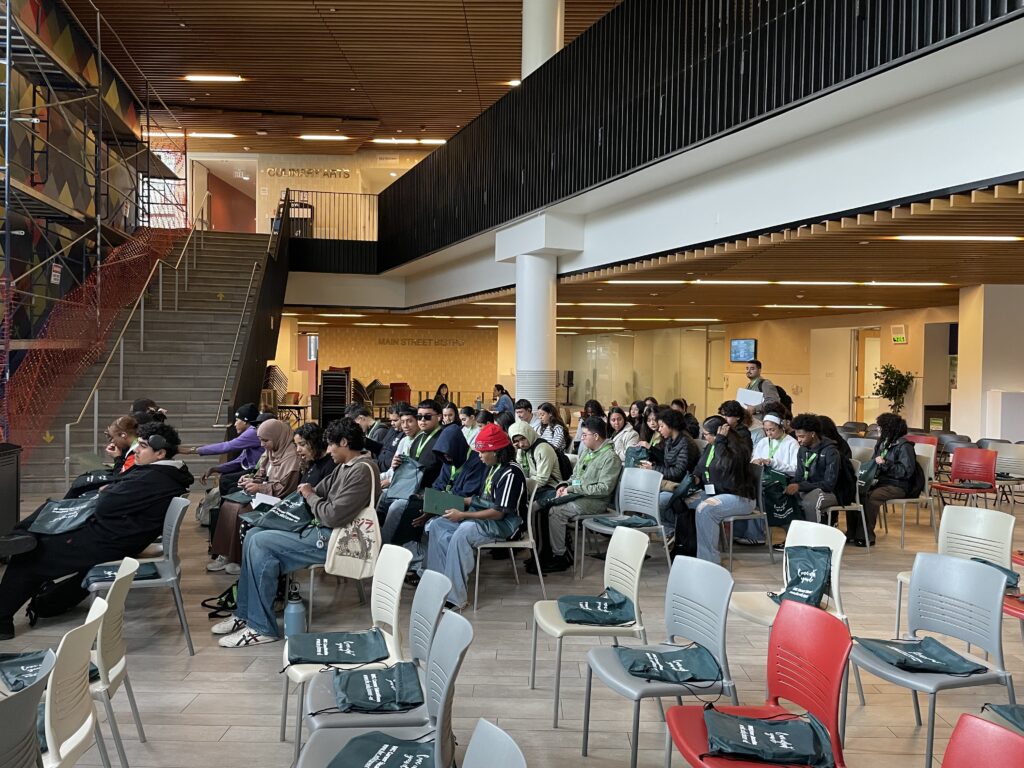
I had always thought that being a journalist was an unrealistic job. However, on November 14th, I witnessed Pitt’s own efforts to become an open-minded journalist. Pittsburg High School’s Broadcast Journalism classes got the amazing opportunity to participate in Diablo Valley College’s Journalism and Media Expo (JAME). The Expo was guided by several experienced journalists from different categories; Nolan Higdon, a political analyst concentrated in AI literacy, propaganda, and news media history; AK Sandhu, a film maker concentrated in reproductive rights, the immigrant experience, and bringing to light lost history; Abel Anguiano Gomez, a freelance journalist student currently studying at UC Berkeley, writing for the Daily Californian, and for the San Jose Earthquakes; Jennifer Seeling, vice president of news format or Audacy brands and director of News and Programming at KCBS; and Jessica Christian, a photo journalist for the San Francisco Chronicle. All journalists participated in a sit down panel for all attendees of the expo. Each speaker provided a different insight to how they started their careers, what inspires them, and what being in mainstream media entails.
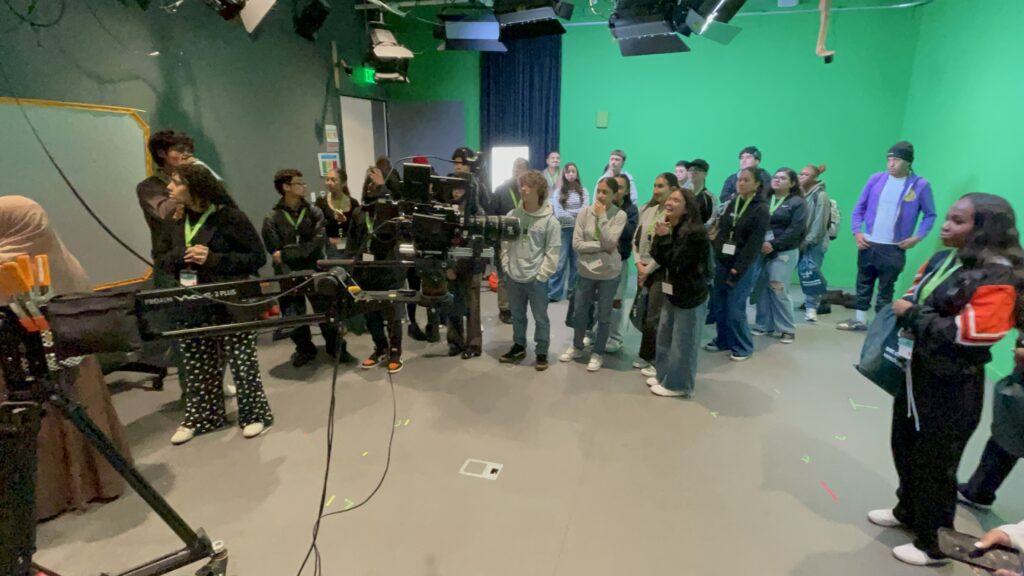
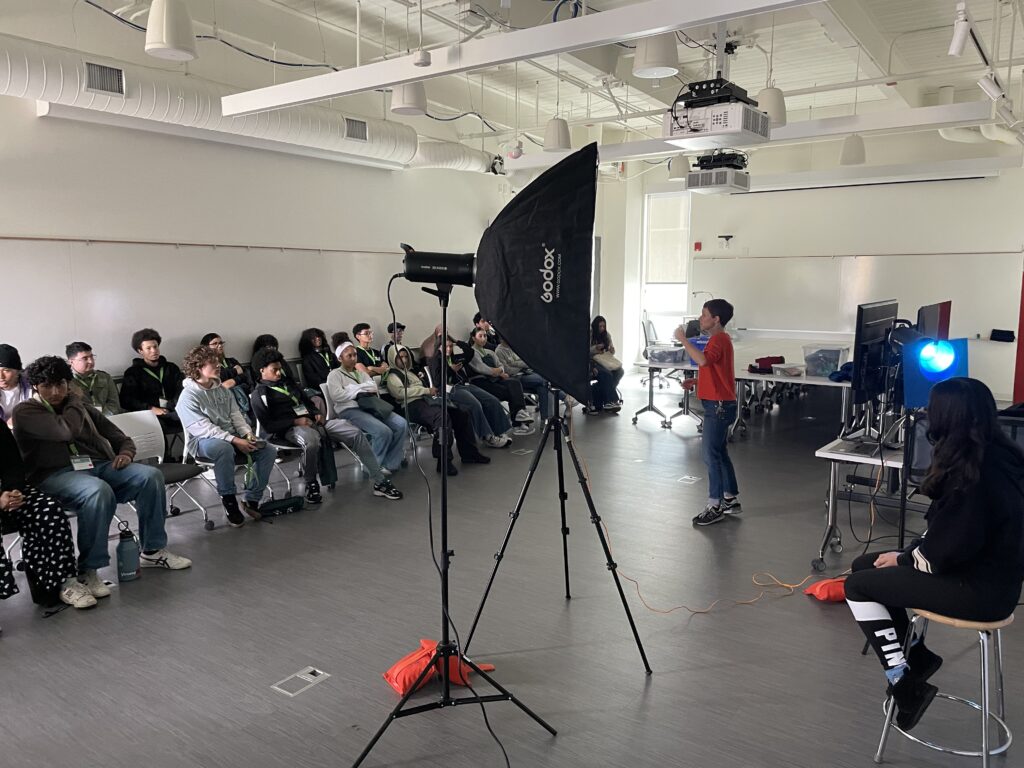
After the Industry panel the attendees were invited to different classrooms on the DVC campus that explored broadcasting, green screens, photography, and writing. The professors that take care of these classes did not shy away from informing students what their class is about, along with answering questions about their craft. Some students do state it would’ve been nice to be a little more hands on with certain classes because everything seemed so new. To most it was.
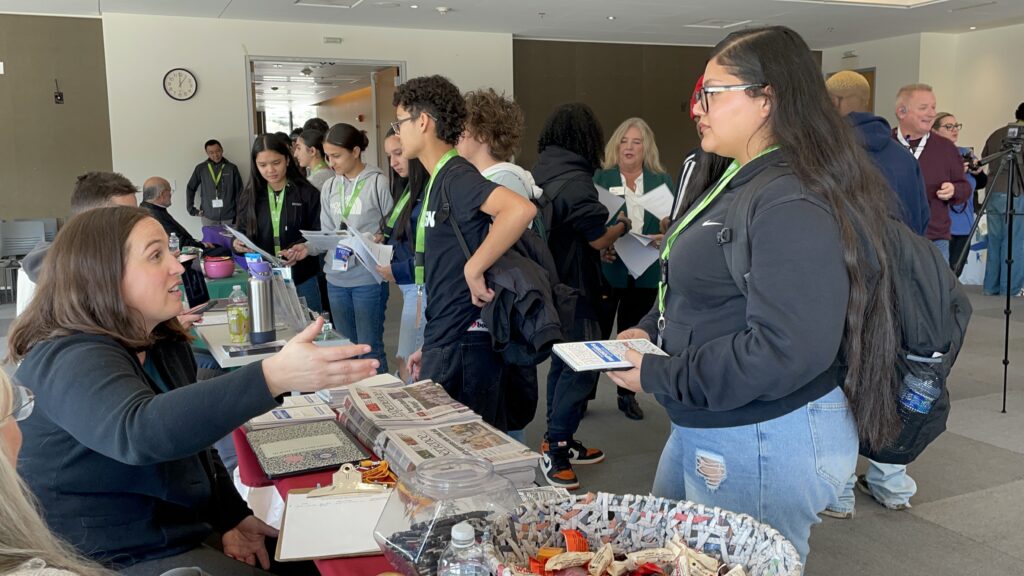
The event had a special highlight to networking, which is the main form journalists work their way into this field. Tables were offered in case students wanted to get in contact with universities regarding journalism majors. Alongside them were news and radio stations like KQED that were interested in looking for media interns. Or students just got the opportunity to talk further with journalists they found interesting in the panel. The networking tables allowed for opportunities to fall right into the hands of what could be future journalists.
Overall, the trip was definitely worth doing.


Black History Month Celebration 2026
The Next chapter

Can AI actually help you study?

-
 Campus Events5 months ago
PITTSBURG High School Hispanic Heritage Assembly 2025
-
school2 months ago
JAME at Diablo Valley College
-

 Campus Events4 months ago
Activities around PHS
-
 Clubs4 months ago
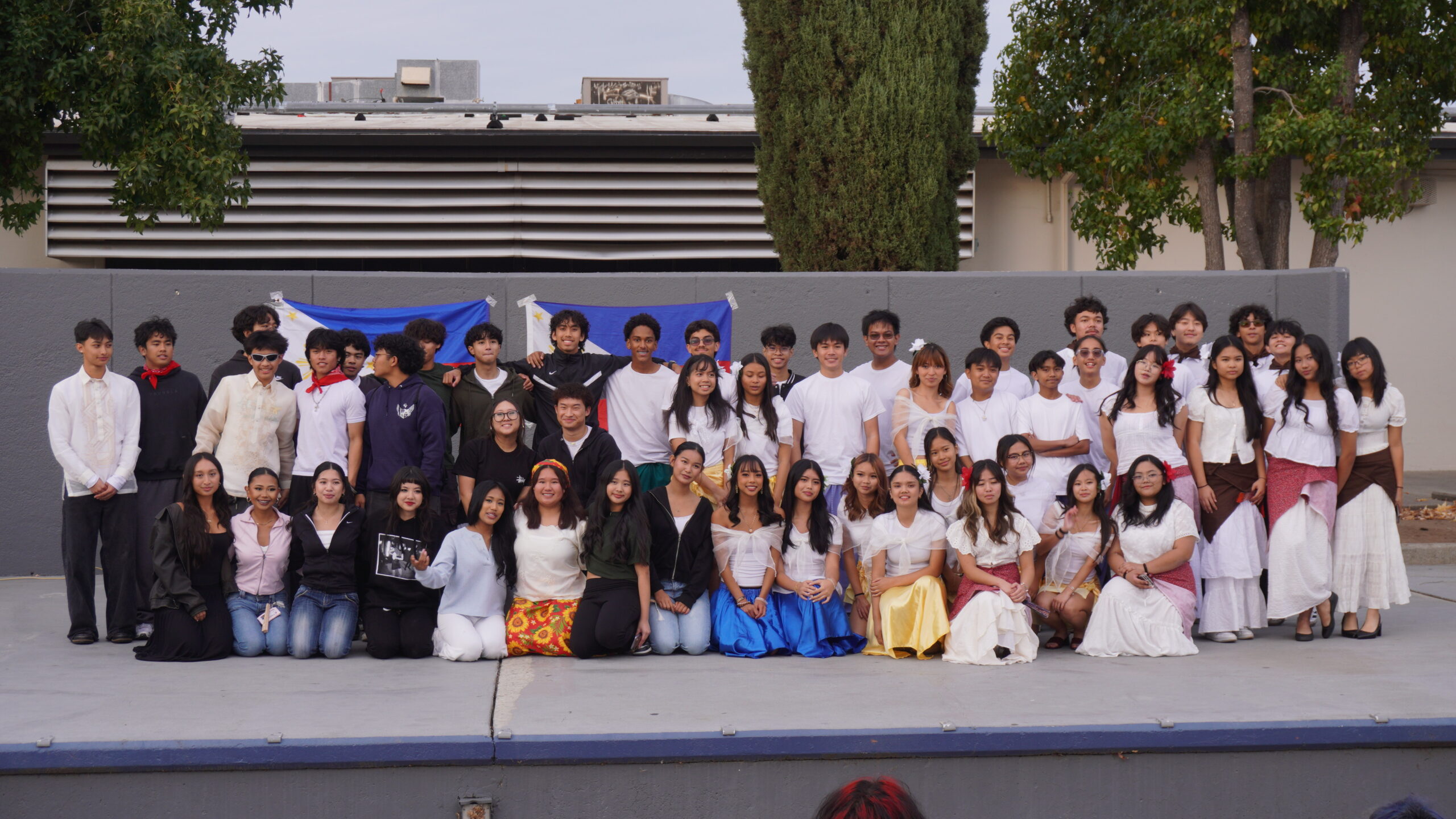
Fil-Am Night
-
 Campus Events3 months ago
Cal State East Bay & Pittsburg High School MOU Signing
-
 Latest4 months ago
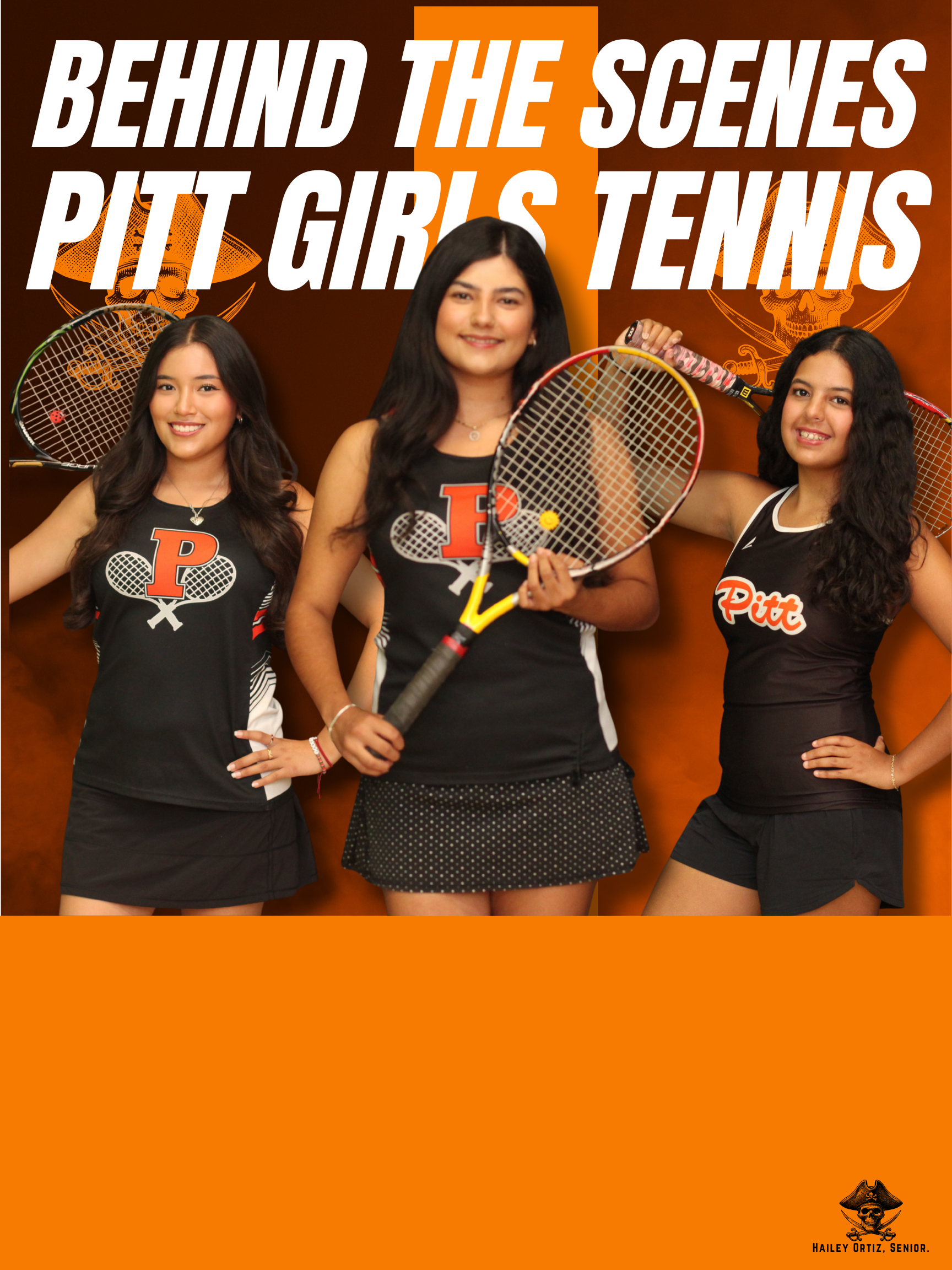
BTS: Pitt Girls Tennis
-

 Latest4 months ago
Foundations
-

 Entertainment4 months ago
K-pop: Demon Hunters. Why is it so popular?